Long-form on the things founders actually get stuck on. Written by people who do this for a living rather than people who read about it.
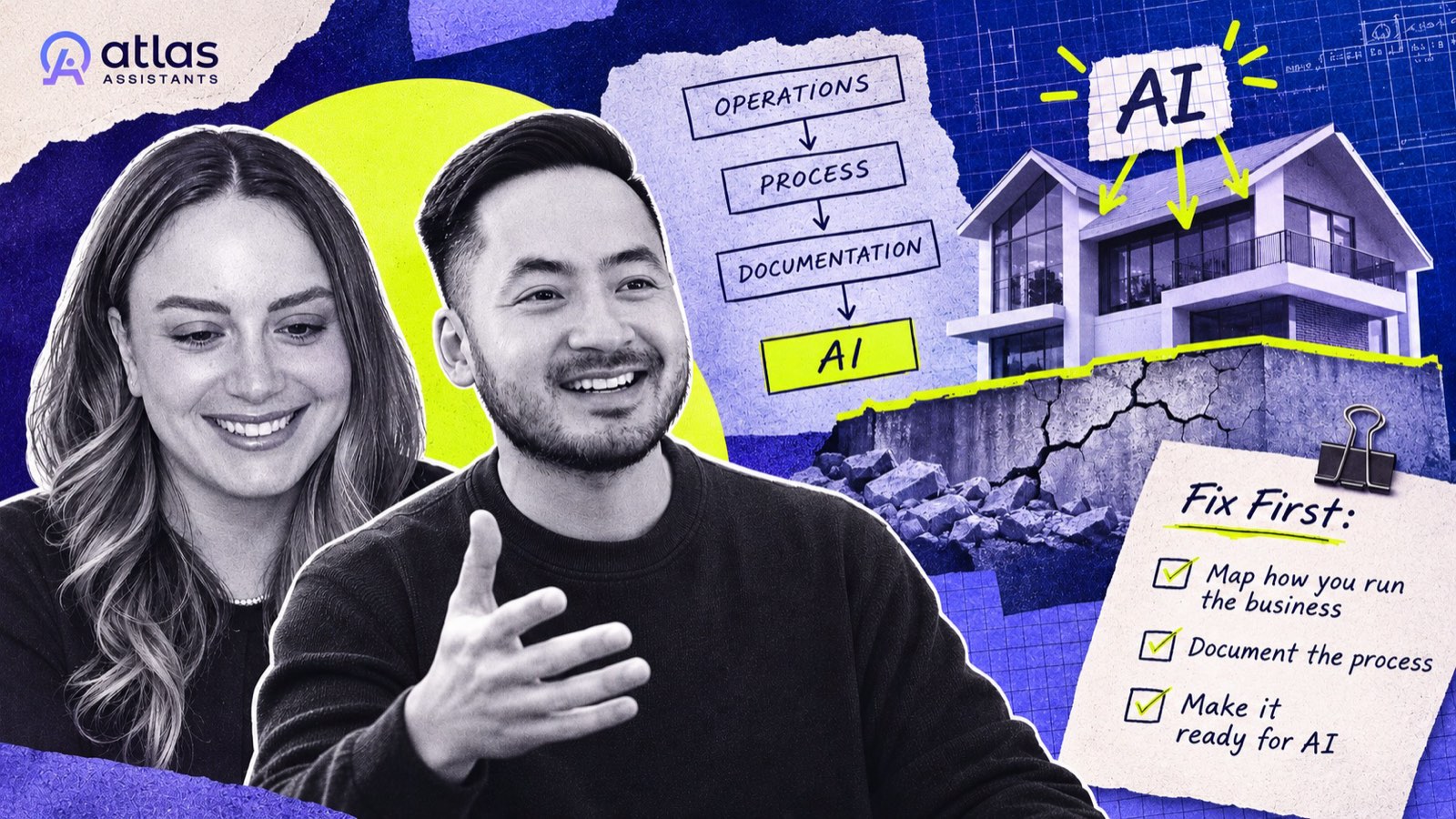
Most founders are solving the wrong problem. Layer AI on top of broken operations and you get faster chaos. In this masterclass, ClareOps founder Shiffy Leifer and Colin Pal work through what has to be fixed before you automate anything.
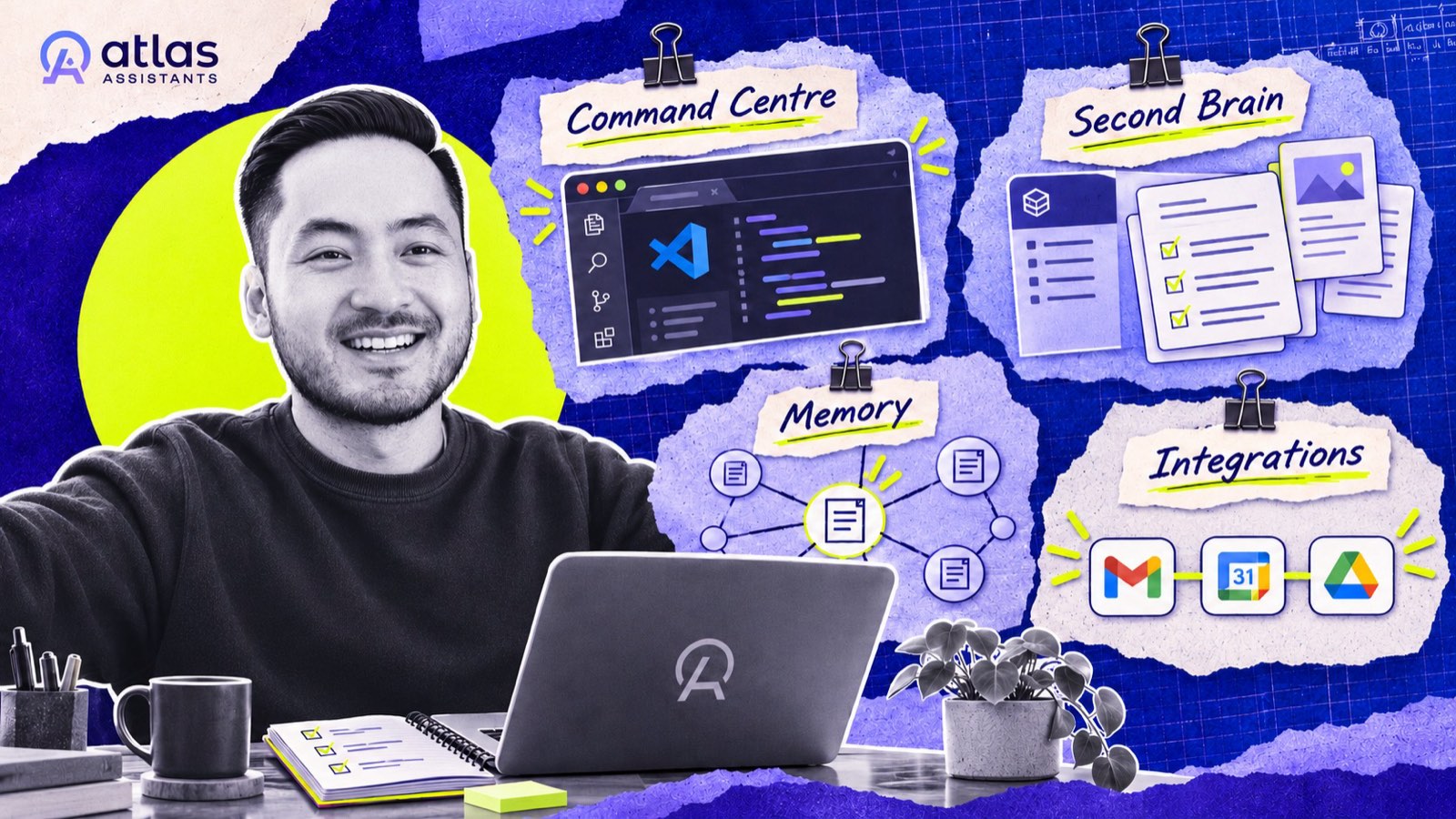
A two-hour, hands-on session in which Colin Pal walks Atlas EAs through the four components of an AI workspace, for themselves and for their executives: the command centre, the second brain, the memory system and the integrations layer. This is what 'your operator sets up your AI' looks like in practice.
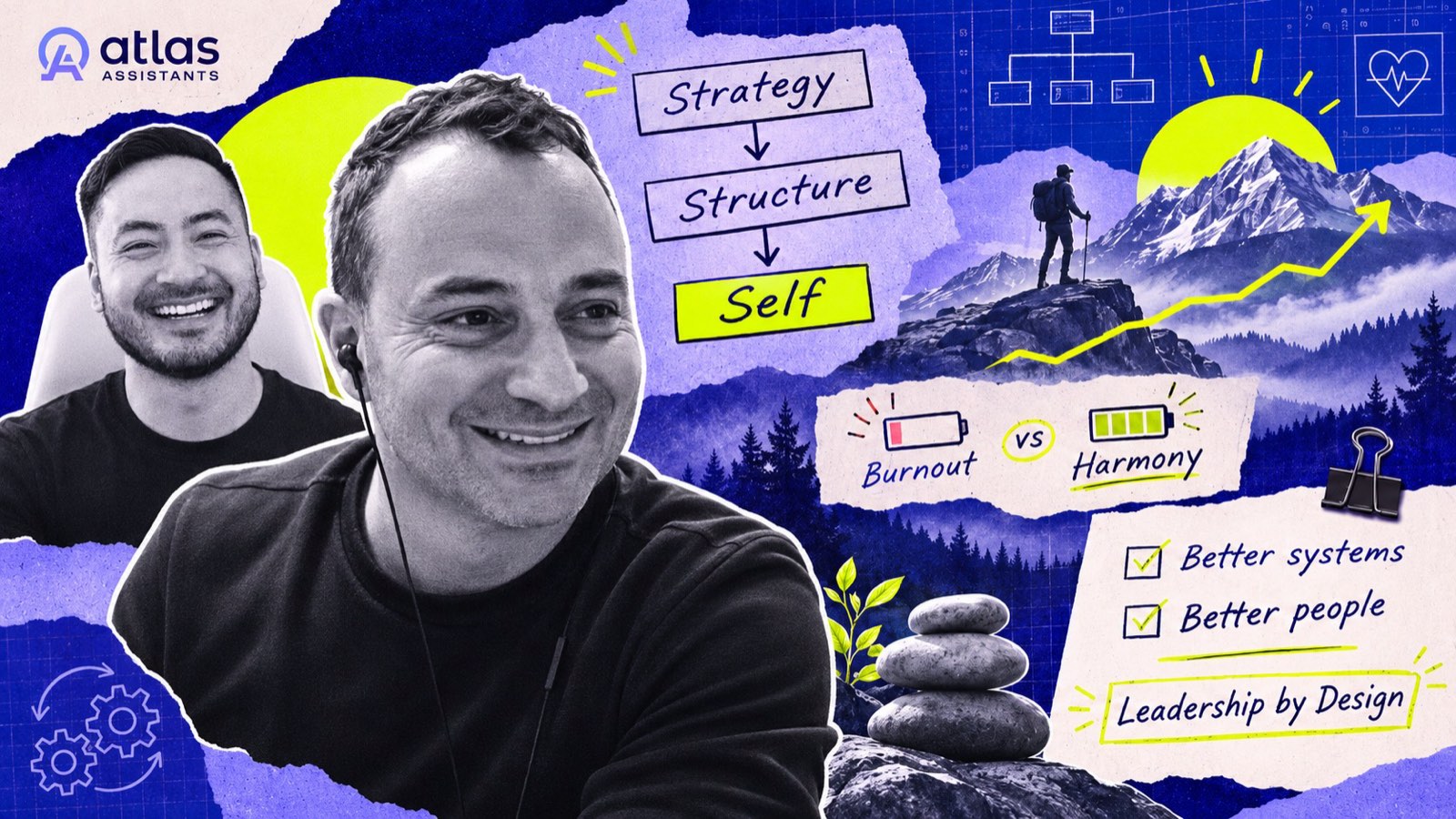
You cannot outwork bad biology or bad systems. Fortune 500-trained CEO Davide Viola on inertia, minimum effective dose, hiring for wiring, and why the next version of leadership runs on harmony rather than grind.

Outcomes first, then tools. In this masterclass Colin Pal shows Atlas EAs how to take an idea to a deployed website with Claude Code: brainstorm, product requirements, implementation plan, execute one task at a time, test and ship. The same framework runs every automation and micro-app an operator builds.
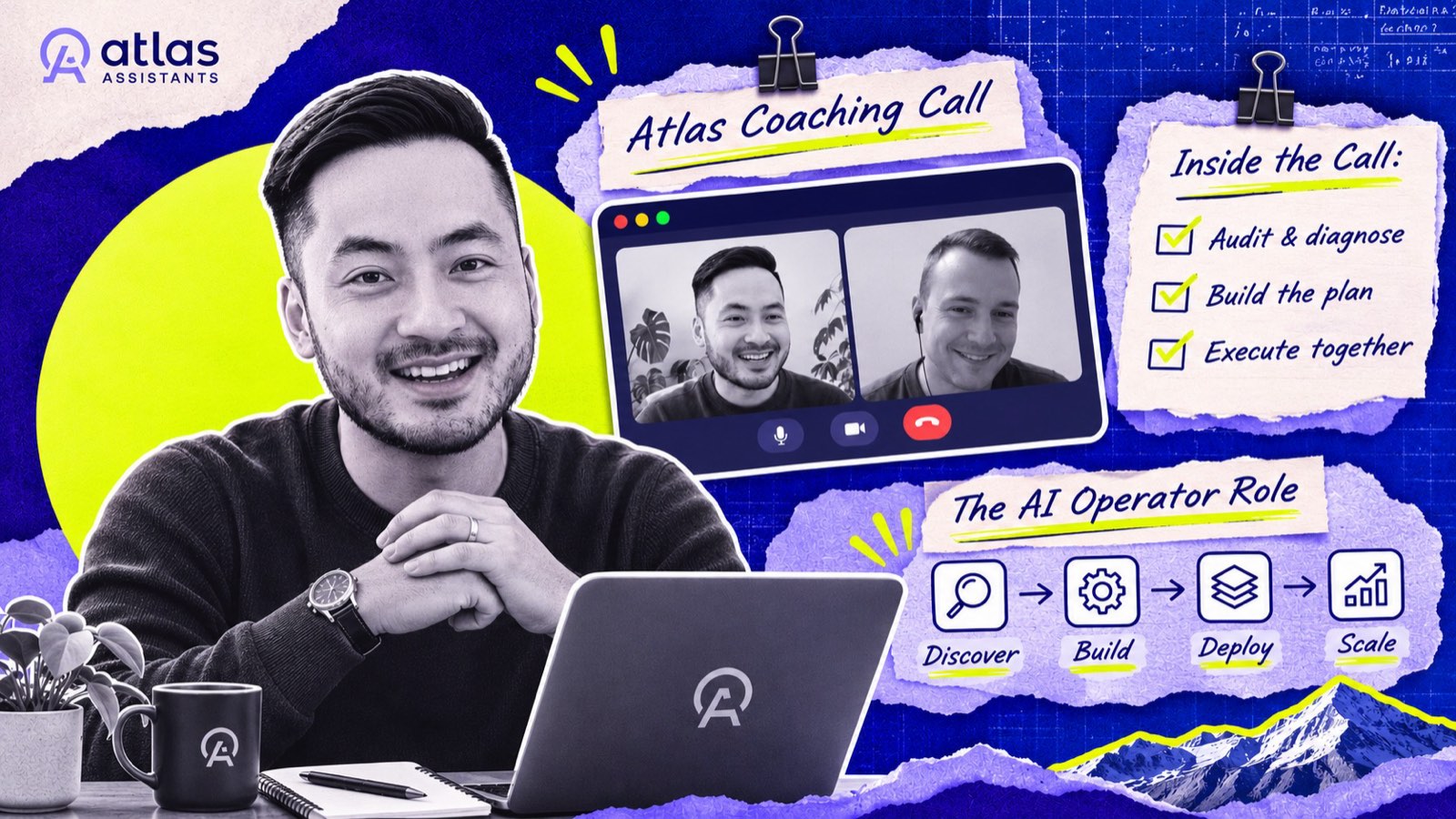
Demand for traditional EA work is falling and demand for AI-supported workflows is rising. In this recorded coaching call, Colin Pal defines the four jobs of an AI operator, shows the agent that writes his start-of-day brief, and lays out the three habits that get someone there.
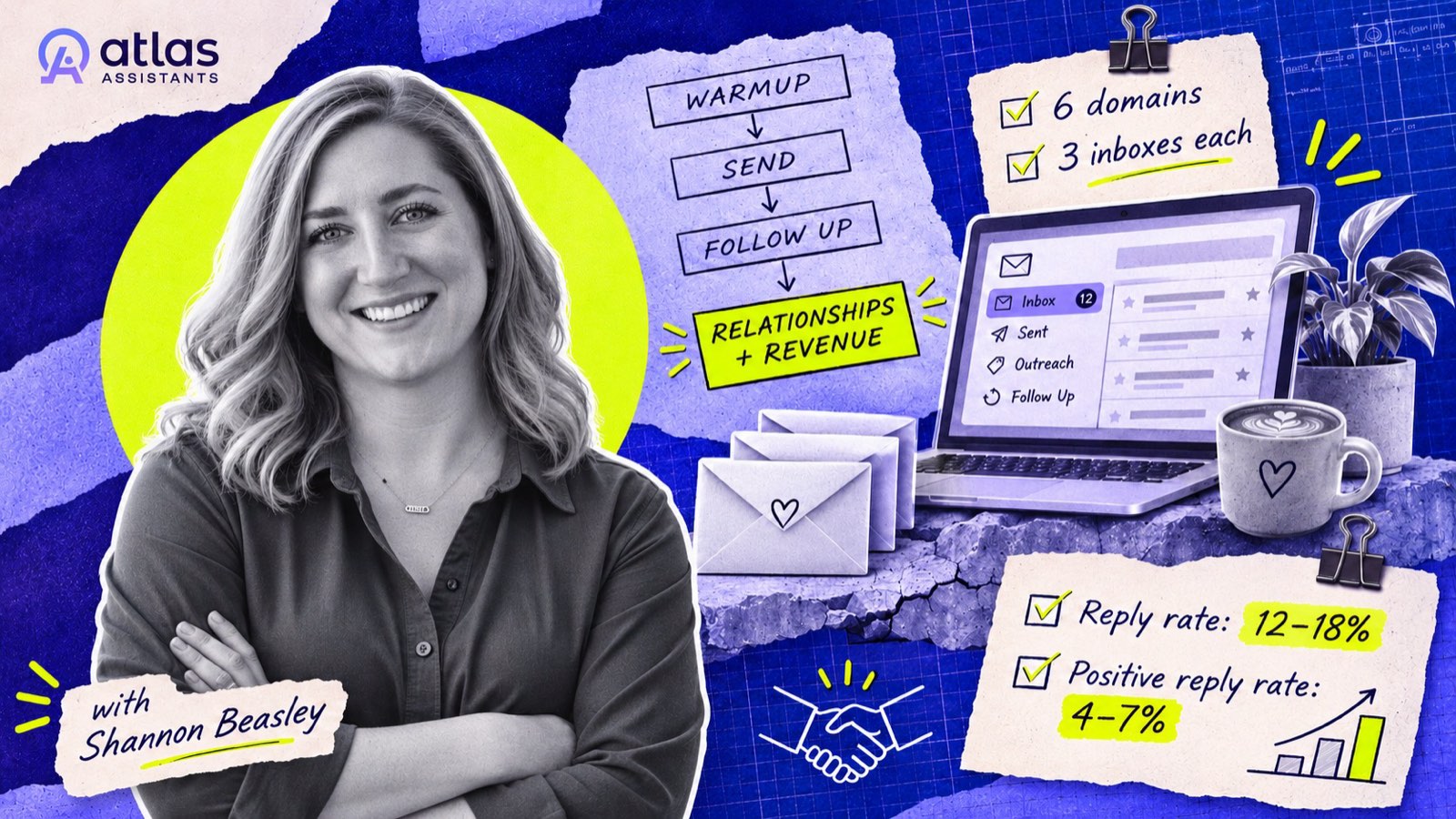
Most cold email advice is outdated or reckless. Shannon Beasley of Acorn to Oak Strategies on the relationship-first framework, the only two metrics that matter, how to get past the EA filter, and exactly what to hand to your operator.
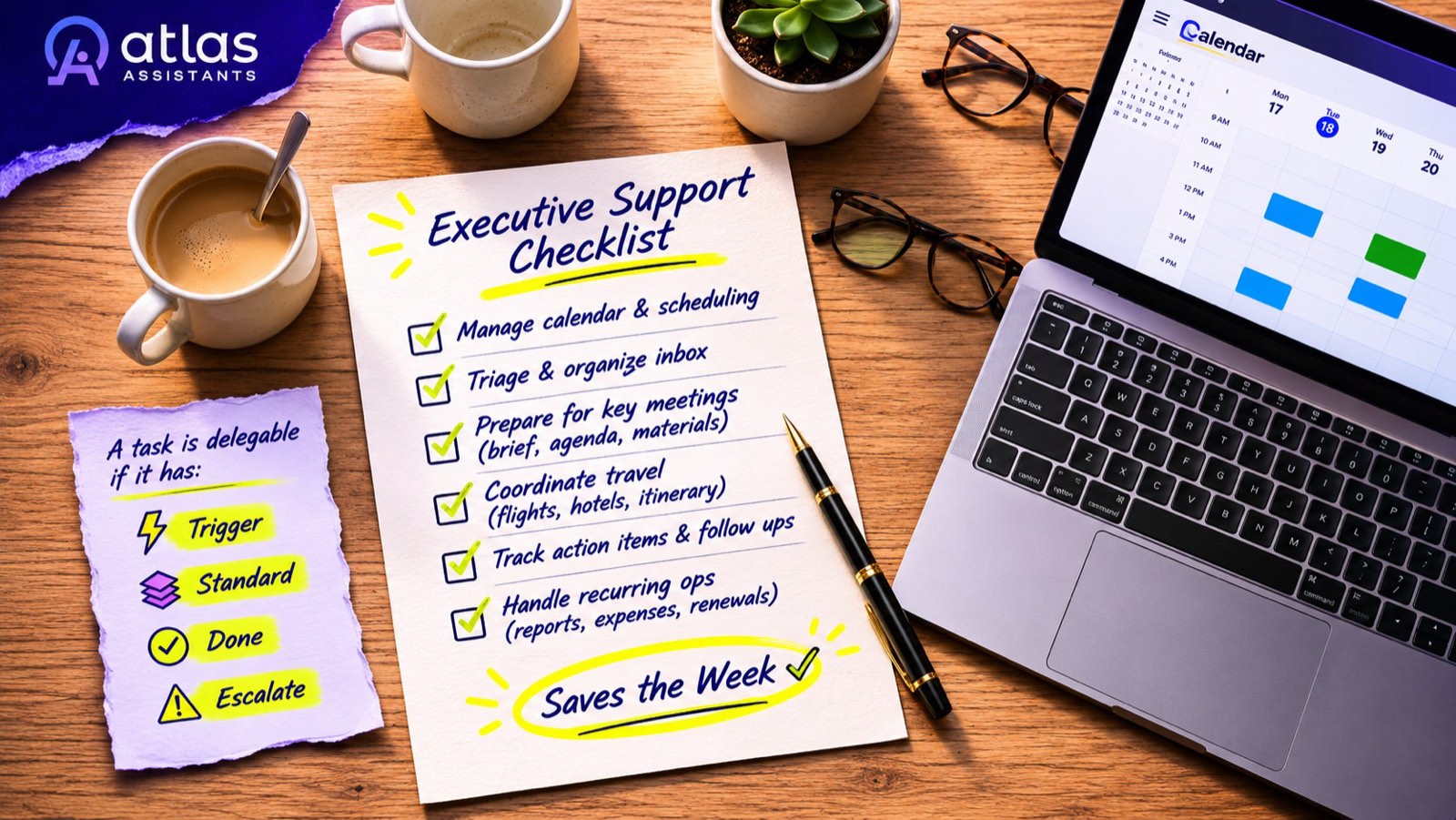
The fastest way to get your week back is not a better assistant. It is a complete list of the work that repeats, written so that someone else can own it. This is the list every Atlas operator is handed on day one.

If you signed up today, this is what would happen, in what order, and what you would notice at day 7, day 30, day 60 and day 100.
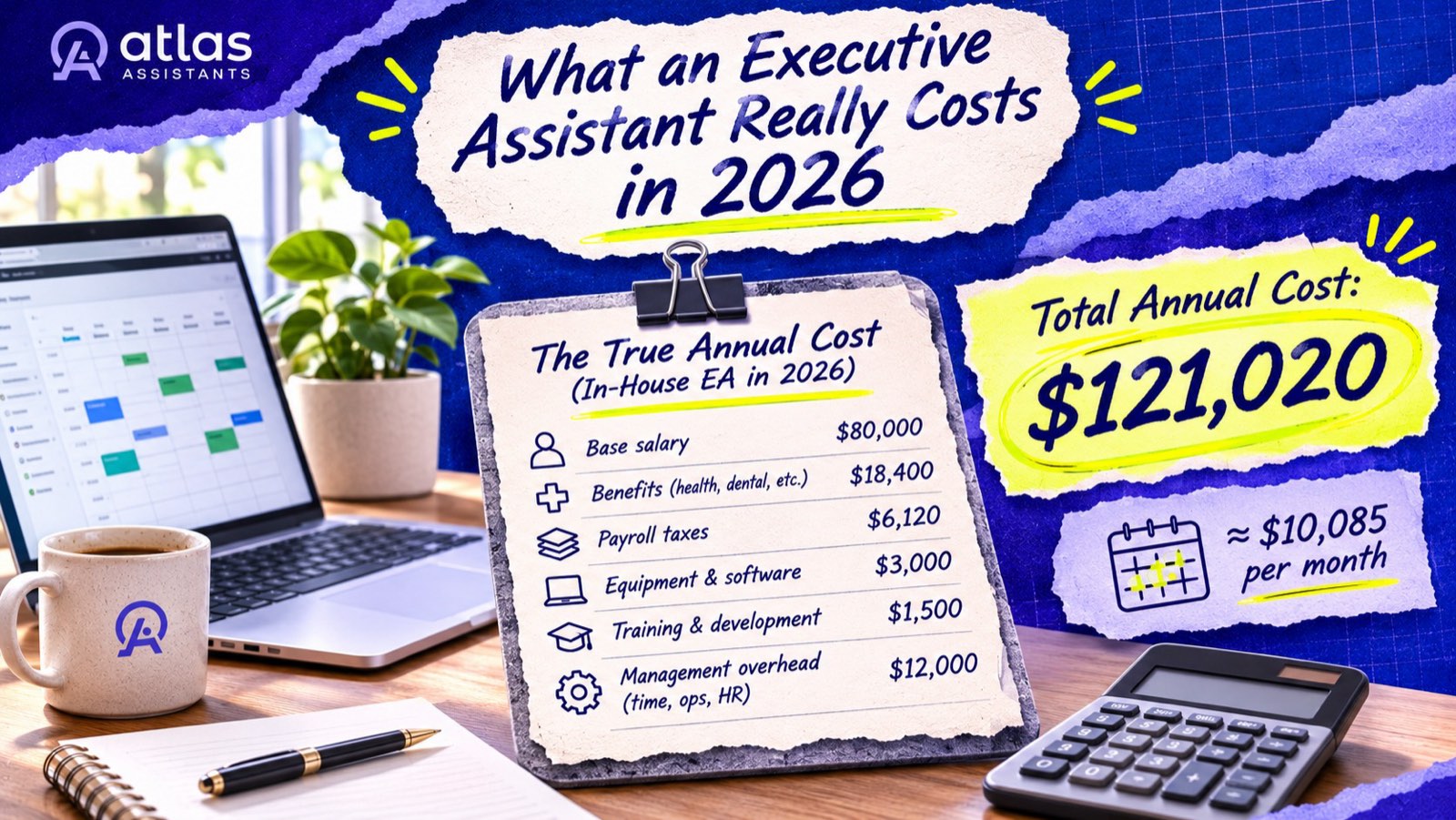
Salary is the number everyone compares. It is also the smallest part of the bill. Five ways to buy executive support, with the figures that never make it onto a pricing page.

Nobody becomes the bottleneck on their own. It happens the quarter after you hire. Here is why it is structural, how to measure it in one question, and what to move first.

You have ChatGPT, a Claude project and a Grok bot. So why pay a person? An honest comparison, including the cases where you should not.

Everything feels too important, too hard to explain or too small to bother with, so nothing moves. Here is the sequence we use with every new client, and what the human actually does with each task once AI is in the room.

It usually was not the person. Two failures account for almost everything we see, and only one of them is about who you hired.

Over 2,000 people apply every week. About one in a hundred is placed. Here is what happens to the other ninety-nine, and what the one goes through before they ever see your inbox.

Inbox and calendar are where it starts. Here is where it goes, told through the founders and operators it happened to.

The role outgrew the title about five years ago. Here is what changed, what it means for what you should be hiring, and why the job description you are about to post is probably the wrong one.
Two minutes to tell us where you are stuck. Then a conversation about whether this is the right moment for you.